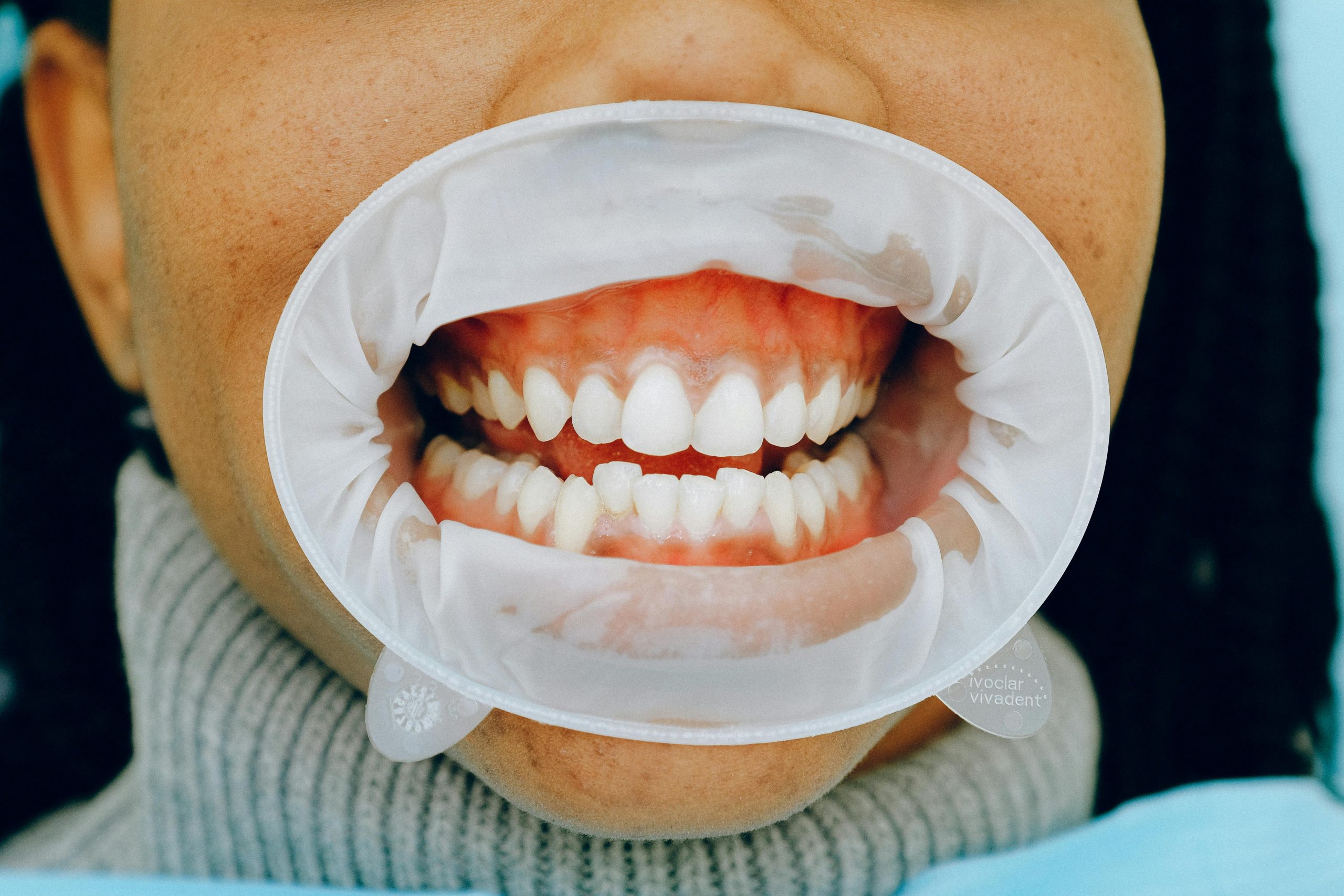
When we talk about oral health, we usually focus on getting a bright, white smile. We see commercials for whitening strips and toothpaste that promises to make our teeth shine like diamonds. But there is another part of your mouth that is just as important—if not more so—than your teeth. We are talking about your gums.
Your gums are the foundation of your entire mouth. Think of your teeth like a house and your gums like the ground the house is built on. If the ground is soft, muddy, or sliding away, it doesn’t matter how beautiful the house is; eventually, it’s going to fall down. Understanding the difference between healthy vs. unhealthy gums is the most important thing you can do to keep your smile for a lifetime.
The problem is that gum disease is often “silent.” It doesn’t always hurt in the beginning, and the changes can happen so slowly that you don’t notice them. However, if you know what to look for, your bathroom mirror can be a powerful tool for your health. In this guide, we will teach you how to be your own dental detective. We will look at color, texture, shape, and even the “sink test” to help you spot the difference between healthy and unhealthy tissue.
What Do Healthy Gums Look Like?
Before we can spot a problem, we need to know what “perfect” looks like. If you stand in front of the mirror and pull back your lips, healthy gums should follow a specific set of rules.
1. The Color: Coral Pink
In most people, healthy gums are a shade of coral pink. They should look consistent across your whole mouth. It is important to note that “healthy” can look slightly different depending on your skin tone and ethnicity. People with darker skin may have gums that naturally have darker pigment or spots of brown. This is completely normal! The key is that the color is consistent and doesn’t look “angry” or bright red.
2. The Texture: Firm and Stippled
If you were to touch healthy gums with a clean finger, they should feel firm. They shouldn’t be squishy or move around easily. If you look very closely in a magnifying mirror, healthy gums often have a texture called “stippling.” It looks a little bit like the skin of an orange—tiny, dimpled dots. This is a sign that the fibers holding your gums to the bone are strong.
3. The Shape: Snug and “Knife-Edged”
Healthy gums fit tightly around your teeth like a turtleneck sweater. The edge of the gum where it meets the tooth should be thin and sharp—dentists call this “knife-edged.” There should be a small, triangle-shaped piece of gum between each tooth called the “papilla.” This tissue should fill the gap completely so you don’t see any “black triangles” or holes between your teeth.
The Warning Signs: Spotting Unhealthy Gums
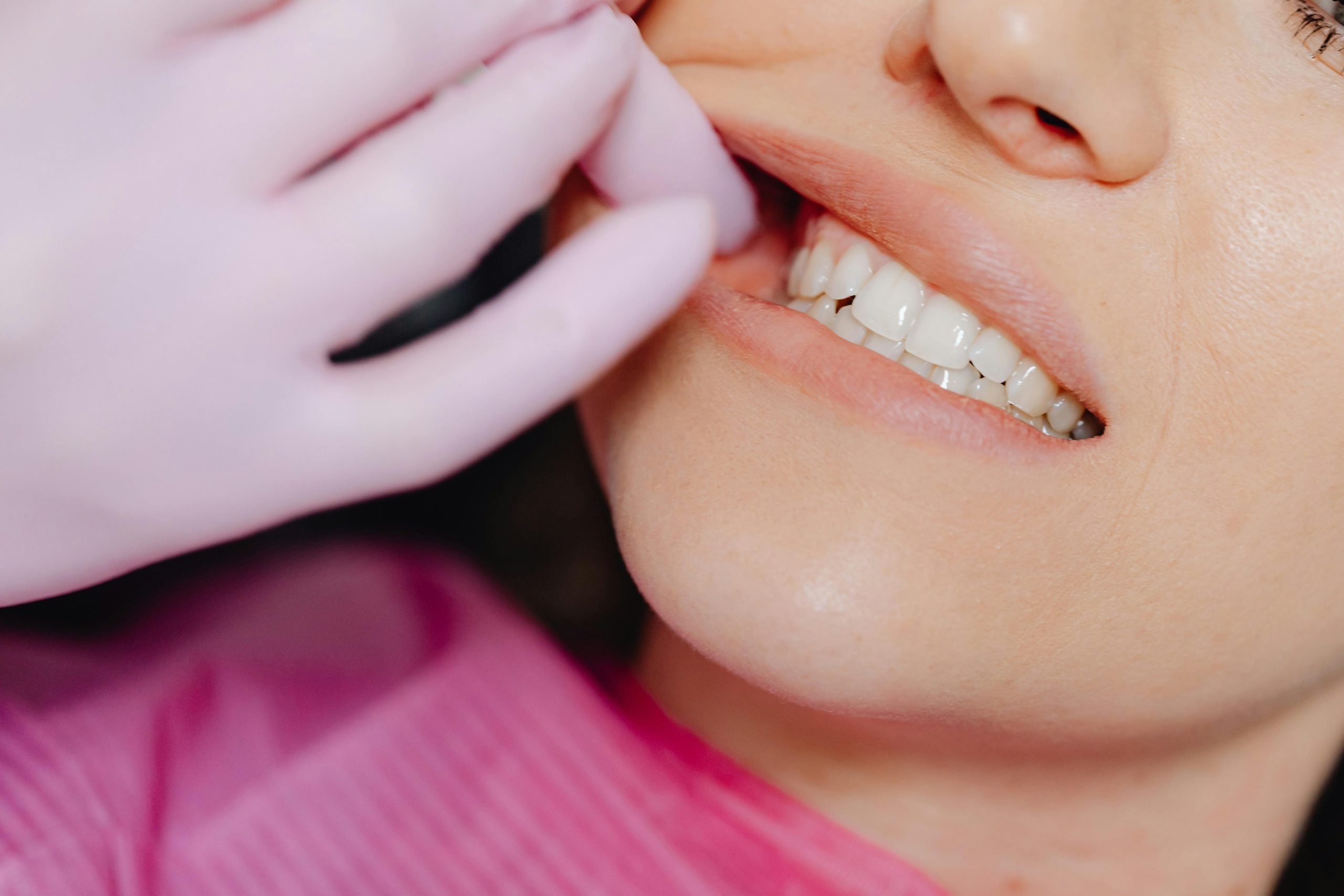
Now that we know the goal, let’s look at the signs of trouble. When you compare healthy vs. unhealthy gums, the differences usually fall into a few clear categories. If you see these signs, your mouth is trying to tell you that bacteria have moved in and started to cause damage.
1. The Color: Angry Red or Deep Purple
One of the first signs of gingivitis (the early stage of gum disease) is a change in color. Instead of a light coral pink, the edges of the gums near the teeth will start to look bright red, shiny, and swollen. This happens because your body is sending extra blood to the area to fight off bacteria. If the disease gets worse, the gums might even turn a dark, dusky purple.
2. The Texture: Puffy and Smooth
Unhealthy gums lose that “orange peel” texture. Instead of being firm and stippled, they look swollen and smooth. They might look like they are full of fluid. If you press on them, they might feel soft or “boggy.” This swelling is a sign of inflammation, which is your body’s response to infection.
3. The “Sink Test”: Bleeding
This is the most famous way to tell the difference between healthy vs. unhealthy gums. If you spit into the sink after brushing or flossing and see pink or red, your gums are unhealthy. Healthy gums should never bleed during normal cleaning. If they do, it means the tissue is weak and full of tiny sores.
The “Hidden” Signs of Trouble
Sometimes, the mirror doesn’t tell the whole story. You also have to use your other senses to check for unhealthy tissue.
- Persistent Bad Breath: We all have “morning breath,” but if you brush and floss and still have a bad taste or smell in your mouth, it could be a sign of gum disease. Bacteria that live in the pockets of unhealthy gums release sulfur gases that smell like rotten eggs.
- Receding Gums: If your teeth start to look “longer” than they used to, it’s because the gums are pulling back. This is a sign that the bone beneath the gums is being destroyed by bacteria.
- Loose Teeth: In the later stages of gum disease, the “foundation” becomes so weak that the teeth start to wiggle. Healthy gums and bone should hold your teeth as steady as a rock.
Why the Difference Matters
You might be thinking, “So what if my gums are a little red? They don’t hurt.” This is a dangerous way to think. When you compare healthy vs. unhealthy gums, you are looking at more than just your smile. You are looking at your overall health. If left untreated, unhealthy tissue can eventually lead to receding gums, which exposes the roots of your teeth and can cause permanent bone loss.
Unhealthy gums are an open door for bacteria. Once your gums bleed, those bacteria can enter your bloodstream and travel to other parts of your body. Doctors have found links between unhealthy gums and serious problems like heart disease, diabetes, and even Alzheimer’s. Keeping your gums in the “healthy” category is one of the best things you can do for your entire body.
How to Turn Unhealthy Gums Healthy Again
Turning unhealthy gums back to a healthy state is one of the most rewarding things you can do for your body. Because gum tissue has a great blood supply, it can heal remarkably fast if you remove the source of the irritation—which is almost always plaque.
If you have noticed redness or bleeding, don’t lose heart. Here is a deeper look at how to master those four steps to restore your gum health.
1. The “C-Shape” Flossing Technique
Most people treat flossing like they are “sawing” a piece of wood, but your teeth are rounded, not flat. If you just snap the floss up and down, you miss the “pockets” where bacteria live.
- How to do it: Take a piece of floss and wrap it around the side of the tooth so it forms the letter “C.”
- The Secret: Gently slide the floss underneath the pink edge of the gum. You should feel it go into a small space. This is where the “anaerobic” bacteria (the kind that don’t like oxygen) hide. By moving the floss up and down against the tooth surface in that gap, you physically break up the colonies of bacteria.
- The Goal: You want to do this for both sides of every single tooth. If it bleeds at first, that is okay—it’s a sign that the infection is being cleared out. Within 7 to 10 days of consistent “C-shape” flossing, the bleeding should stop.
2. Brush the Gum Line, Not Just the Teeth
If you only brush the white parts of your teeth, you are leaving the most dangerous plaque behind. The “junction” where the tooth meets the gum is the front line of the battle.
- The 45-Degree Angle: Instead of holding your brush flat against your teeth, tilt it upward (for top teeth) or downward (for bottom teeth) at a 45-degree angle. This allows the bristles to slightly enter the gum pocket.
- Massaging, Not Scrubbing: Use tiny, circular vibrations. Think of it as a massage for your gums. Scrubbing too hard can actually cause your gums to pull away (recede).
- The “Two-Minute” Rule: Most people brush for about 45 seconds. It takes a full two minutes to properly navigate the gum line of all 32 teeth.
3. Use an Antibacterial Mouthwash
Even the best brushing and flossing can’t reach 100% of the bacteria in your mouth. An antibacterial mouthwash acts like a “liquid reacher” that gets into the microscopic nooks and crannies.
- What to Look For: Choose a “therapeutic” mouthwash rather than a “cosmetic” one. Look for ingredients like cetylpyridinium chloride (CPC) or essential oils (like eucalyptol and thymol). These are proven to kill the germs that cause gingivitis.
- The Timing: Swish for the full 30 seconds. This gives the ingredients enough time to penetrate the biofilm (the sticky layer of bacteria).
- Alcohol-Free Options: If you find that mouthwash burns too much, try an alcohol-free version. Alcohol can dry out your mouth, which might actually make gum problems worse for some people.
4. Stay Hydrated
Saliva is your mouth’s most powerful natural defense. It is packed with antibodies that kill germs and minerals that repair your enamel.
- The Dry Mouth Danger: When your mouth is dry (a condition called xerostomia), plaque becomes stickier and more acidic. This makes it much harder for your gums to heal.
- The Water Habit: Drinking water throughout the day “rinses” your mouth, clearing away food particles before bacteria can eat them.
- Check Your Meds: Many common medications (like those for allergies or blood pressure) cause dry mouth. If you take these, you need to be even more aggressive with your water intake to keep your gums healthy.
When Will You See Results?
If you follow these four steps perfectly, you will usually see a massive difference in about two weeks.
- Days 1-4: Your gums might still bleed, and they might even feel a little sore as you start cleaning areas that haven’t been touched in a while.
- Days 5-10: The redness should start to fade into a lighter pink. The swelling will go down, and the “puffy” look will disappear.
- Days 11-14: Bleeding should stop entirely during flossing. Your breath will feel fresher, and your gums will feel firm and tight against your teeth again.
When to See Your Dentist

Even if you are doing a great job at home, you cannot see everything in your mirror. A dentist uses a special tool called a “periodontal probe” to measure the space between your tooth and your gum.
- 1–3 Millimeters: This is the range for healthy gums. It means the “turtleneck” is nice and tight.
- 4 Millimeters or More: This is a sign of unhealthy gums. It means a “pocket” has formed where bacteria can gather and eat away at the bone.
You should visit your dentist every six months for a professional cleaning. They have special tools that can remove “tartar” (hardened plaque) that you simply cannot brush away at home.
Conclusion
Your mirror is your first line of defense. By taking thirty seconds every morning to look for the signs of healthy vs. unhealthy gums, you can catch problems before they become painful or expensive. Look for that coral pink color, the firm texture, and the snug fit around your teeth.
If you see redness, swelling, or bleeding, don’t ignore it. Use it as a motivation to improve your flossing and brushing habits. Your gums are the silent heroes of your health, working every day to protect your teeth and your body. Give them the care they deserve, and they will keep you smiling for a lifetime.