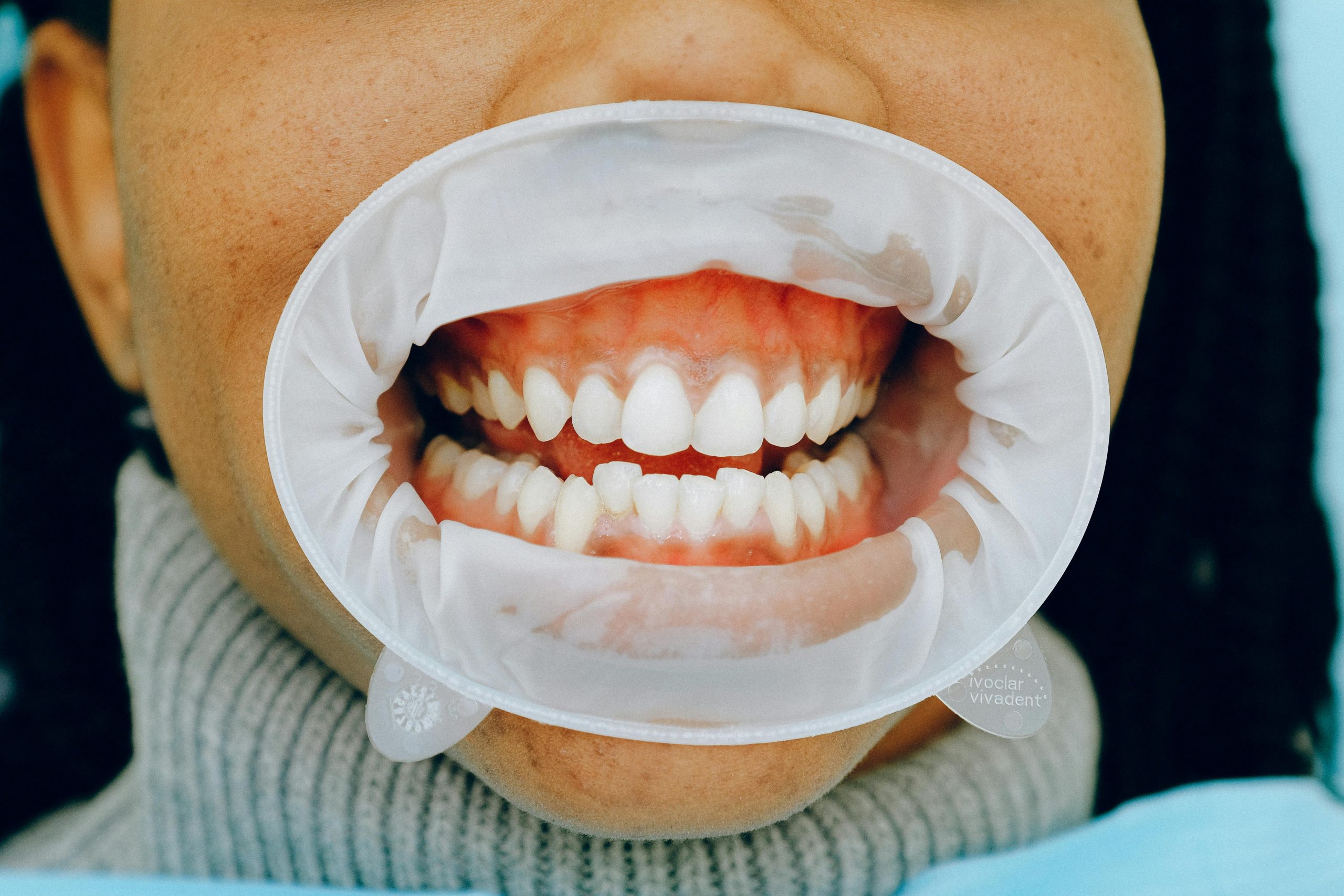
When we think about a healthy smile, we usually focus on the teeth. We want them to be white, straight, and bright. But your teeth are only half of the story. Your gums are the foundation of your smile. They act like a protective seal for your teeth and the bone that holds them in place. When your gums are healthy, they are firm, pink, and fit snugly around each tooth. However, there is a common problem that many people don’t notice until it becomes a serious issue: receding gums.
Gum recession happens when the tissue that surrounds the teeth wears away or pulls back. This process is often very slow. It can happen over many years, which is why it is so easy to miss. You might wake up one day and realize your smile looks different, but the damage has been happening for a long time.
The danger of receding gums is that once the tissue is gone, it does not grow back on its own. If you catch it early, you can stop it from getting worse. If you wait too long, you might face tooth loss or expensive surgeries. In this guide, we will look at the warning signs you need to watch for, why it happens, and how you can protect your smile before it’s too late.
What Exactly Is Gum Recession?
To understand the warning signs, you first need to understand what is happening inside your mouth. Your tooth has two main parts: the crown and the root. The crown is the white part you see when you smile. It is covered in enamel, which is the hardest substance in the human body. The root is the part hidden beneath the gum line.
Unlike the crown, the root of your tooth does not have enamel. It is covered in a softer material called cementum. The root is also full of tiny nerve endings. Your gums are designed to keep the root covered and protected. When you have receding gums, that protective blanket is pulled away. This exposes the sensitive root to bacteria, cold air, and acidic foods.
Because the recession happens slowly, your brain might not realize the “shape” of your tooth is changing. This is why you have to be intentional about checking your gums during your daily brushing routine.
Warning Sign 1: The “Longer” Tooth

One of the first visual signs of receding gums is that a specific tooth starts to look “longer” than its neighbors. You aren’t imagining things—the tooth hasn’t grown; the gum has simply moved up (for top teeth) or down (for bottom teeth).
- The Mirror Test: Stand in front of a well-lit mirror and pull your lips back. Look at where the pink gum meets the white tooth. Does the line look even across all your teeth? If one tooth shows more of the yellowish root area than the others, you likely have recession in that spot.
- The “Notch” Feel: Run your fingernail gently along the top of the tooth near the gum line. If you feel a small “shelf” or a notch where the root starts, that is a clear sign that the gum has moved away from its original position.
Warning Sign 2: Sudden Sensitivity
Have you ever taken a sip of ice-cold water or a spoonful of hot soup and felt a sharp, zapping pain in one tooth? While many people think this is just a cavity, it is often caused by receding gums.
When the gum pulls back, it exposes the dentin of the root. Dentin contains thousands of microscopic tunnels that lead straight to the nerve of the tooth. When something hot or cold touches these tunnels, the nerve sends a “danger” signal to your brain.
- The Trigger: If you notice sensitivity specifically when eating sweet foods or when cold air hits your teeth on a winter day, it is time to check your gum line.
- The Location: Pay attention to whether the pain is coming from the “face” of the tooth near the gum, rather than the biting surface.
Warning Sign 3: Changing Colors Near the Gums
Healthy gums are usually a light, consistent pink. One of the subtle warning signs of gum trouble is a change in the color of the tissue itself or the tooth surface that is being revealed.
- Red or Swollen Edges: If the very edge of the gum where it touches the tooth looks red, puffy, or shiny, it means the tissue is inflamed. Inflamed gums are much more likely to pull away from the tooth.
- A Change in Tooth Color: The root of the tooth is naturally a darker, more yellowish color than the enamel. If you see a yellow or brownish band appearing right at the gum line, you are looking at the exposed root.
Warning Sign 4: Bleeding During Brushing
Many people think it is “normal” for their gums to bleed a little bit when they brush or floss. This is a myth. Healthy gums should never bleed during a standard cleaning.
If you see red in the sink, it means your gums are suffering from gingivitis. Gingivitis makes the gums weak and loose. Over time, this weakness leads to receding gums. Think of bleeding as a “check engine light” for your mouth. It is telling you that the tissue is being damaged and needs help before it starts to pull back permanently.
Why Are Your Gums Receding?
Knowing the signs is important, but you also need to know the “why.” If you don’t stop the cause, the recession will continue.
- Aggressive Brushing: This is the most common cause. Many people think that “harder is better” when it comes to cleaning. In reality, your gums are very delicate. Using a hard-bristled toothbrush or scrubbing too hard can literally sand away your gum tissue.
- Poor Dental Hygiene: If you don’t brush and floss enough, plaque builds up. Plaque is a sticky film of bacteria. This bacteria produces acid that eats away at the fibers holding your gums to your teeth.
- Teeth Grinding (Bruxism): If you wake up with a sore jaw, you might be grinding your teeth at night. The intense pressure of grinding can cause the teeth to flex slightly at the gum line, which causes the gums to pull away.
- Tobacco Use: Smoking and chewing tobacco interfere with the blood flow to your gums. Without good blood flow, the gums cannot stay healthy or heal themselves.
- Genetics: Unfortunately, some people are just born with “thin” gum tissue. If your parents had gum issues, you have to be extra careful with your own routine.
How to Stop the Recession Before It’s Too Late
If you have noticed these warning signs, don’t panic. While you can’t grow the tissue back, you can stop the process in its tracks.
- Switch to a Soft Brush: Only use toothbrushes labeled “Soft” or “Extra Soft.” If you use an electric toothbrush, let the vibration do the work—don’t press down hard.
- Improve Your Flossing: Flossing isn’t just about getting food out from between your teeth. It is about cleaning the space under the gum line where the “pocket” starts.
- Visit the Dentist for a Deep Cleaning: Sometimes, bacteria get so deep under the gums that a regular toothbrush can’t reach them. A dentist can perform a “scaling and root planing” to clean out these deep pockets and help the gums reattach to the tooth.
- Wear a Night Guard: If grinding is the cause, a custom-made night guard can take the pressure off your teeth and protect your gum line while you sleep.
The Role of Nutrition in Gum Health
Your gums are living tissue, and they need the right vitamins to stay strong. A diet that supports your immune system will help your gums resist inflammation.
- Vitamin C: This is essential for collagen production. Since your gums are made largely of collagen, Vitamin C helps keep them firm and resilient.
- Omega-3 Fatty Acids: Found in fish and nuts, these help reduce inflammation in the body, including the mouth.
- Water: Staying hydrated helps you produce saliva. Saliva is your mouth’s natural defense against the bacteria that cause receding gums.
When Should You See a Specialist?

If you notice that several teeth look longer, or if you have a persistent “bad taste” in your mouth along with recession, you should see a periodontist. A periodontist is a dentist who specializes in gum health.
They have advanced tools to measure the “pockets” around your teeth. A healthy pocket is 1 to 3 millimeters deep. If your pockets are 5 millimeters or deeper, it means the recession has reached a dangerous level where bone loss might begin. Catching this early is the difference between keeping your teeth and needing dentures later in life.
Conclusion
Receding gums is a “silent” problem. They don’t always hurt, and they don’t change overnight. But by paying attention to the warning signs—like tooth length, sensitivity, and bleeding—you can take control of your health.
Your smile is worth protecting. Take five minutes tonight to look closely at your gum line in the mirror. If you see something that doesn’t look right, don’t wait. Make an appointment with your dentist and start making the small changes that will keep your gums healthy and your teeth in place for a lifetime. Prevention is always easier, cheaper, and less painful than a cure.