Tips for Forming Healthy Dental Habits
Tips for Forming Healthy Dental Habits
Healthy dental habits are essential for maintaining overall wellness, confidence, and quality of life. Oral health affects far more than just your smile. It plays a role in digestion, speech, cardiovascular health, immune function, and even mental wellbeing. When teeth and gums are healthy, everyday activities such as eating, speaking, and socializing become more comfortable and enjoyable. When oral health is neglected, however, small issues can quickly grow into painful, disruptive, and expensive problems.
Many people underestimate how closely oral health is connected to the rest of the body. Gum disease has been linked to chronic inflammation and systemic health concerns, while untreated dental problems can contribute to fatigue, infection, and reduced self esteem. Despite these risks, consistent dental care is often overlooked until discomfort or visible damage appears. Busy schedules, dental anxiety, and cost concerns frequently lead people to delay preventive care, allowing minor issues to progress unnoticed.
Forming healthy dental habits is not about perfection or strict routines that are difficult to maintain. It is about consistency, education, and proactive decision making over time. Small daily actions, combined with regular professional care, can significantly reduce the risk of cavities, gum disease, and tooth loss. Understanding how professional dental visits, preventive strategies, and lifestyle choices work together empowers individuals to take control of their oral health rather than reacting to problems as they arise.
Here are just a few practical and often overlooked tips to help you form better dental habits to support long term oral health at every stage of your life. Whether you are looking to improve your daily routine, prevent future dental issues, or create a healthier foundation for yourself and your family, these strategies can help you build habits that protect your smile and support your overall wellbeing for years to come.
Schedule Regular Dental Checkups
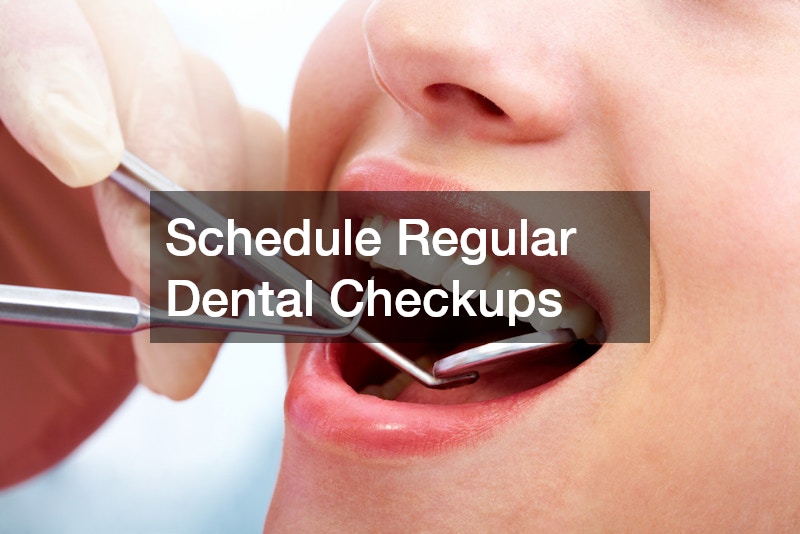
One of the most important habits for maintaining strong dental health is scheduling regular dental checkups. Preventive care is the foundation of long term oral wellness, and routine visits allow potential problems to be identified early, often before discomfort or visible symptoms develop. Conditions such as cavities, gum disease, enamel erosion, and alignment issues can progress quietly and worsen over time if they are not addressed promptly.
Visiting a local dentist office on a consistent schedule, typically every six months, provides access to professional cleanings that go beyond what daily brushing and flossing can achieve. Dental professionals use specialized tools to remove plaque and hardened tartar buildup that accumulates in hard to reach areas. These cleanings help prevent gum inflammation, reduce the risk of tooth decay, and support fresher breath and healthier gums.
Regular checkups also give your dentist the opportunity to monitor subtle changes in your oral health. X rays, gum measurements, and visual exams allow issues to be tracked over time, making it easier to adjust care plans as needed. Dentists can assess risk factors such as grinding, dry mouth, dietary habits, and family history, then recommend preventive treatments or lifestyle changes tailored to your specific needs.
For many people, dental anxiety becomes a barrier to consistent care. Skipping appointments often increases the likelihood of more serious problems, which can reinforce fear and avoidance. Establishing a habit of regular checkups helps normalize dental visits and makes the experience more predictable and manageable. Over time, this familiarity can significantly reduce stress and build confidence in receiving care.
Consistency also allows you to develop a trusted relationship with your dental provider. When your dentist is familiar with your history, preferences, and concerns, communication improves and treatment decisions become more collaborative. This relationship encourages patients to ask questions, follow recommendations, and take a more active role in their oral health, all of which contribute to better long term outcomes.
Regular dental checkups are not just about preventing problems. They are an investment in comfort, confidence, and overall health that supports a lifetime of healthy smiles.
Discuss Potential Treatments
Healthy dental habits include open and proactive communication with dental professionals and specialists whenever concerns arise. Many oral health issues develop gradually and may not cause immediate pain or visible symptoms. By discussing changes, discomfort, or functional challenges early, patients can often prevent minor concerns from becoming complex or long lasting problems. Clear communication also helps dental providers tailor care to individual needs and identify underlying issues that might otherwise go unnoticed.
This approach is especially important when addressing developmental or functional conditions that affect oral movement, alignment, or daily comfort. For instance, a tongue tie specialist can evaluate restrictions in tongue movement that may interfere with speech development, eating, breathing, and effective oral hygiene. Limited tongue mobility can make it difficult to clear food debris from the mouth, increasing the risk of cavities and gum disease. In children and adults alike, untreated tongue tie may contribute to improper swallowing patterns, jaw tension, gum recession, or ongoing discomfort during daily activities.
Early evaluation allows specialists to determine whether treatment is necessary and what options are most appropriate. In many cases, early intervention can reduce the need for more invasive procedures later. It may also improve outcomes related to speech clarity, oral posture, and overall comfort. When these concerns are addressed promptly, patients often experience quicker recovery times and fewer disruptions to their daily routines.
Discussing potential treatments with qualified professionals ensures that patients fully understand the benefits, risks, and timing of each option. Informed discussions help set realistic expectations and reduce anxiety surrounding treatment decisions. Making these conversations a routine part of dental care fosters trust, increases patient confidence, and encourages active participation in long term oral health planning.
By staying informed and communicating openly, patients take a proactive role in their dental health. This habit supports better outcomes, reduces uncertainty, and helps ensure that treatment decisions align with both immediate needs and long term wellness goals
Focus on Restorative Options
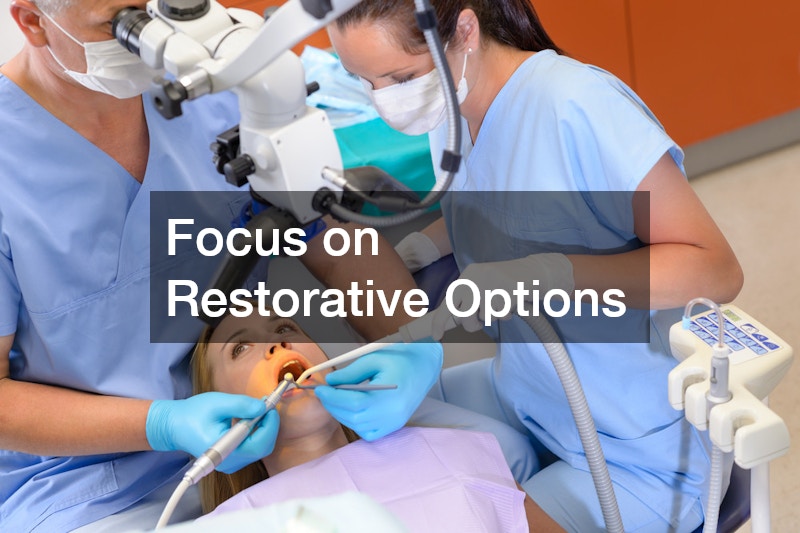
Restorative dentistry plays a critical role in maintaining dental health, especially after injury, decay, or tooth loss. Ignoring damaged teeth can lead to shifting, bite problems, and increased wear on surrounding teeth.
A cosmetic dentist can help restore function and appearance through procedures that repair or replace damaged teeth while preserving a natural look. Modern restorative options focus on durability, comfort, and aesthetics, allowing patients to regain confidence in their smile.
Dental implants are one of the most effective restorative solutions for missing teeth. They provide stability, prevent bone loss, and restore normal chewing function. Unlike removable options, implants integrate with the jawbone and support long term oral health.
Developing healthy dental habits means addressing restorative needs promptly instead of delaying care. Restored teeth are easier to clean, less prone to infection, and contribute to a balanced bite.
Avoid Painful Procedures
Preventive dental habits are the most effective way to avoid invasive and painful dental procedures. Daily brushing and flossing remove plaque before it hardens and causes damage, while routine professional cleanings address buildup that cannot be managed at home. When these habits are practiced consistently, they significantly reduce the risk of advanced tooth decay, gum disease, and oral infections that often require extensive treatment.
Root canals are commonly needed when decay or infection reaches the inner pulp of a tooth. Although modern dental technology has made root canals more comfortable and efficient than in the past, they can still be time consuming, costly, and emotionally stressful for many patients. In some cases, recovery may require multiple appointments and follow up care. Avoiding these procedures often begins with early detection through regular dental exams and a commitment to consistent oral hygiene practices at home.
Simple lifestyle choices also play an important role in prevention. Reducing sugar intake limits the fuel that harmful bacteria use to produce acids that erode enamel. Staying hydrated helps maintain saliva flow, which naturally washes away food particles and neutralizes acids in the mouth. Using fluoride toothpaste and mouth rinses strengthens enamel and makes teeth more resistant to decay, especially for individuals prone to cavities.
Equally important is paying attention to early warning signs. Tooth sensitivity, persistent bad breath, bleeding gums, or mild discomfort should never be ignored. These symptoms often indicate early stages of decay or gum disease that can be treated with conservative care if addressed promptly. Delaying treatment allows problems to worsen and increases the likelihood of requiring more invasive procedures.
By prioritizing prevention and responding quickly to changes in oral health, patients can minimize discomfort, reduce long term dental costs, and preserve their natural teeth for as long as possible. Preventive care supports not only healthier teeth and gums but also greater peace of mind and confidence in daily life.
Invest in Dental Insurance

Access to dental care is strongly influenced by affordability. Investing in dental insurance encourages preventive visits and makes necessary treatments more accessible.
Many people receive coverage through an employee healthcare plan, which often includes preventive services such as exams, cleanings, and X rays at little or no cost. Taking advantage of these benefits helps establish a consistent care routine.
Understanding coverage details is equally important. In complex cases involving denied claims or disputes, consulting an insurance attorney can help patients navigate their benefits and protect their rights.
When dental care is financially manageable, patients are more likely to seek treatment early and follow recommended care plans. Insurance removes barriers and supports long term dental health habits.
Seek Professional Guidance
Dental health is closely connected to mental and emotional wellbeing. Stress, anxiety, and behavioral patterns can directly impact oral hygiene routines and dietary choices.
Seeking professional guidance through counseling services can help individuals manage dental anxiety, break harmful habits such as teeth grinding, and develop healthier coping strategies. Stress reduction improves immune response and reduces inflammation, which benefits gum health.
For patients who struggle with consistency, counseling can support behavior change by addressing underlying barriers. A healthy mindset reinforces daily routines and promotes accountability.
Incorporating mental health support into overall wellness planning strengthens the foundation for sustainable dental habits.
Focus on Your Body

The condition of your teeth and gums is closely connected to overall physical health, nutrition, and metabolic balance. When the body is under stress from chronic conditions, inflammation, or poor nutrition, the mouth is often one of the first places where problems appear. Conditions such as obesity, diabetes, and chronic inflammation increase the risk of gum disease, slow healing after dental procedures, and make infections more difficult to control.
Excess weight and blood sugar imbalances can negatively affect circulation and immune response, which are critical for maintaining healthy gum tissue. Poorly managed blood sugar levels can allow harmful bacteria to thrive in the mouth, increasing plaque buildup and inflammation. These systemic issues make consistent dental care even more important, as untreated gum disease can also worsen overall health.
Working with a local weight loss center can support healthier lifestyle changes that benefit both the body and oral health. Structured weight management programs often emphasize balanced nutrition, portion control, and sustainable habits rather than extreme dieting. Improved nutrition reduces excess sugar and processed food intake, which helps limit acid production in the mouth and lowers the risk of cavities.
Regular physical activity also plays a meaningful role in dental wellbeing. Exercise improves circulation throughout the body, including the gums, which helps deliver oxygen and nutrients needed for tissue repair and maintenance. Better circulation supports faster healing and reduces the severity of inflammation.
Hydration is another often overlooked factor. Drinking enough water supports saliva production, which is the mouth’s natural defense against decay. Saliva helps neutralize acids, wash away food particles, and maintain a balanced oral environment. When the body is dehydrated, dry mouth can increase the risk of cavities and gum irritation.
Create a Better Environment
Your home environment plays an important role in reinforcing daily dental habits. An organized, comfortable space makes routines easier to maintain.
Upgrading your bathroom with a bathroom remodeling service can improve lighting, storage, and accessibility, making oral hygiene tasks more enjoyable and efficient. Features such as better mirrors, accessible sinks, and organized storage encourage consistent brushing and flossing.
Creating a calm and functional environment reduces stress and increases motivation. Small changes such as placing dental tools within easy reach or improving lighting can have a lasting impact on daily habits.
When your environment supports healthy behavior, routines become effortless rather than forced.
Forming healthy dental habits is a lifelong commitment that combines professional care, preventive strategies, and thoughtful lifestyle choices. Regular checkups, open communication with specialists, and timely restorative care protect both function and appearance.
Avoiding painful procedures through prevention, investing in dental insurance, and seeking guidance for mental and physical health challenges strengthen your ability to maintain consistency. Even your home environment plays a role in supporting daily routines.
Healthy dental habits are not built overnight. They develop through small, intentional actions repeated over time. By prioritizing education, prevention, and holistic wellness, you can protect your smile, improve your overall health, and enjoy the confidence that comes with strong oral care habits.


Post Comment