A healthy, confident smile can make a meaningful difference in how you look and feel. Straight teeth are often associated with an attractive smile, but proper alignment also plays an important role in maintaining good oral health. Crooked, crowded, or improperly spaced teeth can create challenges that affect daily brushing, flossing, and overall dental hygiene.
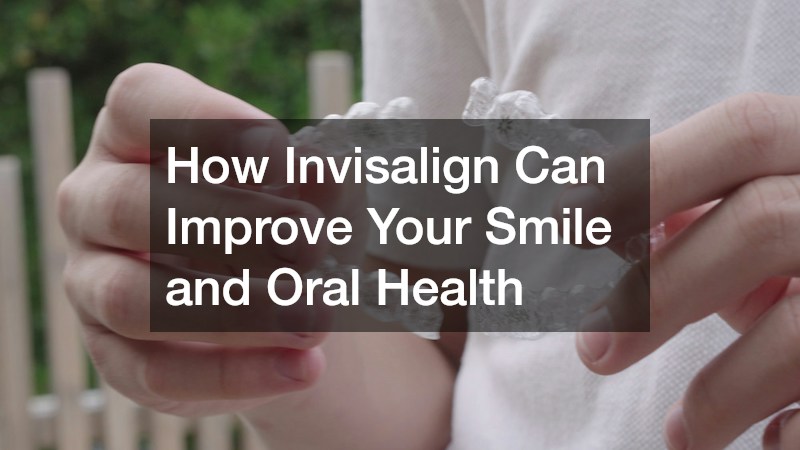
Modern orthodontic treatments offer convenient ways to address these concerns without the appearance of traditional metal braces. Invisalign uses clear, removable aligners to gradually move teeth into improved positions. This approach allows patients to work toward a straighter smile while maintaining many of their normal daily activities.
How Straighter Teeth Support Better Oral Hygiene
Properly aligned teeth are generally easier to clean than teeth that overlap or crowd together. When teeth are crooked, certain surfaces can become difficult to reach with a toothbrush or dental floss. These hard-to-clean areas may allow plaque and food particles to accumulate, increasing the risk of cavities and gum inflammation.
Straightening teeth can make daily oral hygiene routines more effective by improving access to tooth surfaces and the spaces between teeth. Although orthodontic treatment does not eliminate the need for regular brushing and flossing, improved alignment can make these essential habits easier to maintain.
Crowded teeth may also create tight spaces where plaque collects. Over time, plaque that remains on teeth can harden into tartar, which requires professional cleaning to remove. Addressing crowding may reduce some of these cleaning challenges and support healthier gums.
Patients should continue scheduling routine dental examinations and professional cleanings throughout orthodontic treatment. These appointments allow dental professionals to monitor oral health, identify potential concerns, and recommend appropriate preventive care.
The Benefits of Clear Aligners for Everyday Comfort
Traditional braces use brackets and wires to guide teeth into their desired positions. Clear aligners provide another option for patients who want orthodontic treatment with a less noticeable appearance.
One advantage of clear aligners is their discreet design. The transparent trays fit closely over the teeth, making them less noticeable during conversations, photographs, and everyday interactions. This feature can appeal to adults and teenagers who prefer a subtle approach to straightening their smiles.
Another benefit is removability. Patients can take their aligners out when eating, drinking beverages other than water, brushing, and flossing. This flexibility allows individuals to maintain their usual oral hygiene routines without cleaning around fixed brackets and wires.
However, successful treatment requires consistent wear. Patients generally need to keep their aligners in place for approximately 20 to 22 hours daily, following the specific instructions provided by their dental professional.
Treatment with Invisalign involves a customized series of aligners designed to move teeth gradually. Each set applies controlled pressure to specific teeth according to a treatment plan developed by a qualified dental professional.
Regular appointments help ensure that treatment progresses appropriately and allow adjustments when necessary.
How Proper Teeth Alignment Can Improve Oral Function
Orthodontic treatment is not solely about creating an attractive smile. Tooth positioning can also influence how the upper and lower teeth meet when biting and chewing.
An improper bite, sometimes called malocclusion, occurs when teeth do not align correctly. Common examples include overbites, underbites, crossbites, and open bites. Depending on their severity, these conditions may contribute to uneven tooth wear, chewing difficulties, or other functional concerns.
Correcting certain alignment problems can help distribute biting forces more evenly across the teeth. This may reduce excessive pressure on individual teeth and support more balanced oral function.
Proper alignment can also make chewing more comfortable for some patients. When teeth meet effectively, they can break down food without requiring unnecessary adjustments in jaw positioning.
However, not every bite concern can be corrected with clear aligners alone. Complex orthodontic conditions may require additional appliances, alternative treatments, or coordinated care with other dental specialists.
Dental professionals evaluate several factors before recommending treatment, including tooth positioning, bite relationships, gum health, and the condition of existing dental restorations.
Some patients also wonder whether straightening their teeth can resolve jaw discomfort or temporomandibular joint problems. Although correcting certain bite irregularities may improve function, orthodontic treatment is not a guaranteed solution for jaw pain or temporomandibular disorders.
A comprehensive examination helps determine whether alignment changes are appropriate for a patient’s specific concerns.
By addressing suitable orthodontic problems, clear aligners can contribute to improved tooth positioning and more comfortable everyday oral function.
Maintaining Long-Term Results After Orthodontic Treatment
Achieving straighter teeth is an important milestone, but maintaining those results requires continued attention after active treatment ends.
Teeth naturally tend to shift over time. Without proper retention, they may gradually move away from their corrected positions. Dental professionals typically recommend retainers to help preserve alignment following orthodontic treatment.
Retainers may be removable or fixed, depending on individual needs. Patients should follow their provider’s instructions regarding how often and how long to wear them.
Good oral hygiene remains equally important. Brushing with fluoride toothpaste, flossing regularly, and attending routine dental visits help protect teeth and gums after treatment.
Patients should also care for their retainers according to professional recommendations. Keeping these appliances clean can help prevent bacterial buildup and maintain their condition.
Lifestyle habits influence long-term dental health as well. Limiting frequent sugary snacks, avoiding tobacco products, and maintaining a balanced diet can support healthier teeth and gums.
For individuals considering Invisalign, understanding the importance of retention and ongoing preventive care is essential. Orthodontic treatment can improve alignment, but maintaining a healthy smile requires a lasting commitment to dental wellness.
Regular follow-up appointments allow dental professionals to assess stability, evaluate oral health, and address changes before they become more significant.
A straighter smile can offer advantages that extend beyond appearance. Improved alignment may make brushing and flossing easier, support healthier gums, reduce certain cleaning challenges, and improve oral function.
If you are interested in improving your smile, consult a qualified dental professional to determine whether Invisalign is suitable for your needs. With personalized treatment and consistent oral care, you can work toward a healthier, more confident smile that lasts.